

Senegal Parrot – Quiet, Talking Companion Bird & Health-Guaranteed
Original price was: $999.00.$699.00Current price is: $699.00.
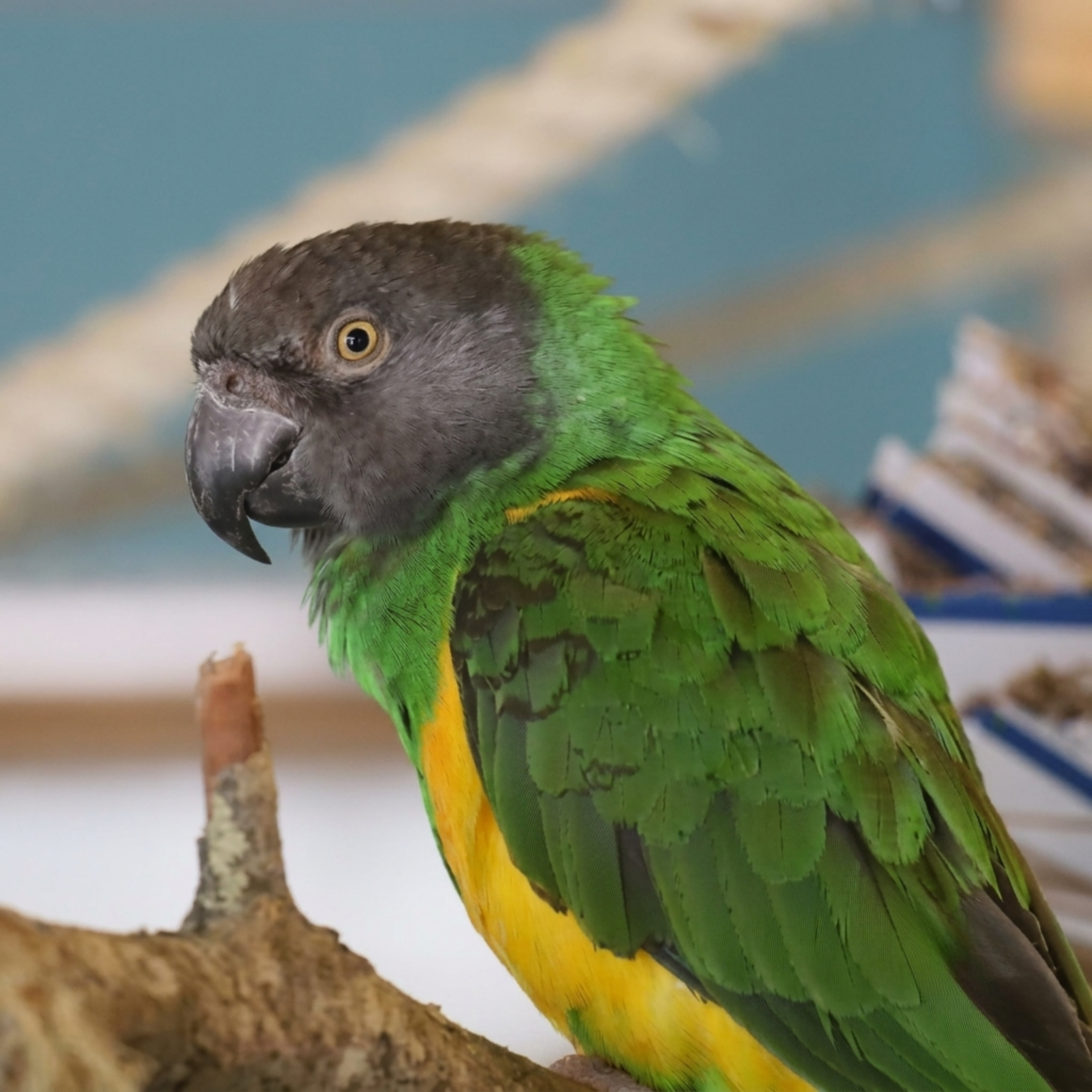
Senegal Parrot hand-raised, DNA-tested, and known for their quiet nature and clever personality. These West African companions bond closely with their family and ship safely across the USA and Canada with our Live Arrival Guarantee. Shop Senegal parrots today and bring home a smart, low-noise companion built to last a lifetime.
🛡️
Refund or replacement if there’s ever an issue
🧬
Lab-verified parentage and species
🩺
Examined before every bird ships
📜
Legally sourced and documented
⭐
Real feedback from past buyers
🔒
Safe, encrypted payment every time
Looking for a Senegal parrot for sale? BirdsJungle offers hand-raised, DNA-tested Senegal parrots (Poicephalus senegalus), a small West African companion parrot prized for its quiet nature, playful personality, and 25–30 year lifespan. Every bird is vet-checked before shipping and backed by our Live Animal Guarantee, delivered safely across the USA and Canada.
Quick Facts: Senegal Parrot
| Trait | Details |
|---|---|
| Scientific name | Poicephalus senegalus |
| Origin | Savanna and woodland of West Africa |
| Size | ~9 inches (22–24 cm) |
| Weight | ~120–170 g (avg. male ~156 g, female ~136 g) |
| Lifespan | 25–30 years average; up to 50 in captivity |
| Noise level | Low-to-moderate (quiet compared to most parrots) |
| Talking ability | Moderate; learns words and mimics sounds |
| CITES status | Appendix II (captive-bred, legally traded) |
About the Senegal Parrot
The Senegal parrot belongs to the genus Poicephalus, Greek for “grey head,” a group of ten African parrot species that also includes the Cape parrot and red-fronted parrot. In the wild, Senegals live across the savanna woodlands of West Africa, from Senegal and Guinea to Ghana, Nigeria, and Cameroon, foraging on fruit, seeds, and blossoms.
Three subspecies are recognized, distinguished by the color of their “vest”, the yellow, orange, or green patch across the chest:
- P. s. Senegalus: bright yellow vest, the most common subspecies in the pet trade
- P. s. Mesotypus: bright orange vest
- P. s. Versteri: deep orange-red vest
All three share the same gray head, green back and wings, and compact, stocky build, and behave identically as pets; the difference is purely cosmetic.
Senegal parrots are CITES Appendix II-listed, meaning international trade is regulated. Every Senegal parrot we sell is captive-bred and raised domestically, not wild-caught, in line with CITES compliance and modern aviculture best practice.
Personality & Talking Ability
Senegal parrots are playful, curious, and known for a big personality in a small body, many owners describe them as clownish once they’ve bonded, enjoying toys, games, and hanging upside down.
They’re moderate talkers. Most learn a working vocabulary of household words and phrases with consistent interaction, along with strong mimicry of everyday sounds like phones and other pets. Their voice tends to be a little softer and less crisp than a conure’s, closer to a small parakeet’s tone, charming, but not the clearest talker in the parrot world.
One important care note: Senegals often bond closely with a single favorite person and can become jealous or territorial if not socialized early with the whole household. Regular handling from multiple family members from a young age helps raise a more balanced, sociable bird.
Noise Level & Sounds
If you’ve searched “senegal parrot sounds” while comparing pet birds: in the wild, Senegal parrots are constant chatterers within their flock, using a wide range of whistles and squawks to communicate. As companion birds, though, they’re widely regarded as one of the quieter parrot species you can own, their day-to-day vocalizing is soft chirps and whistles rather than the piercing screams associated with macaws, conures, or cockatoos.
That’s a big reason Senegals are a favorite among apartment dwellers and noise-sensitive households. They will get more vocal during morning and evening “flock call” periods, and an under-stimulated bird can develop attention-seeking noise habits, daily interaction and enrichment keep this in check.
Senegal Parrot vs. Other Popular Companion Parrots
If you’re comparing species before you buy, here’s how the Senegal stacks up against other parrots in our Parrots collection:
- African Grey Parrot: A stronger, clearer talker and famous for problem-solving intelligence, but larger, more demanding, and more prone to feather-plucking if under-stimulated. Senegals offer a similar cleverness in a smaller, lower-maintenance package.
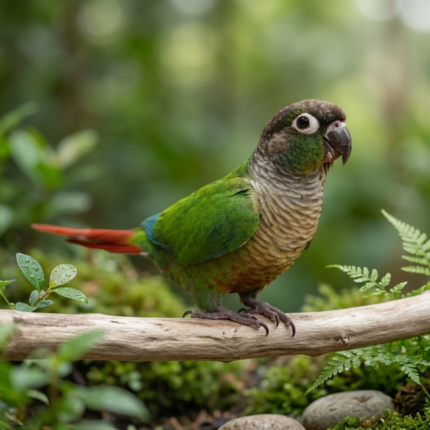
- Green Cheek Conure: Similarly compact and playful, though generally more vocal and a weaker talker than the Senegal.
- Cockatiel: An easier first bird for true beginners, quieter still, but with less talking ability than a Senegal.
- Budgie Parakeet: The smallest and lowest-commitment option, ideal if you want companionship without a multi-decade lifespan commitment.
Cage & Housing Requirements
A proper Senegal parrot cage is one of the most important setup decisions you’ll make. Recommended minimums:
- Cage size: at least 4 ft L x 3 ft W x 3 ft H (larger is always better for a bird this active)
- Bar spacing: 1/2″ to 5/8″ to prevent escape or injury
- Perches: 2–3 perches of varying diameter and texture to support foot health
- Enrichment: foraging toys and chewable wood toys to match their high intelligence and prevent boredom-driven feather plucking
Senegals are active climbers, so horizontal bars on at least one side give them room to move. Daily out-of-cage time is strongly recommended.
Diet & Daily Care
In the wild, Senegal parrots eat a fruit-heavy diet supplemented with seeds and blossoms. In a home setting, aim for:
- High-quality formulated pellets as the dietary base
- Fresh vegetables and a moderate amount of fruit daily
- Occasional healthy nuts as enrichment, not a primary food source
- Avoid: avocado, chocolate, caffeine, onion, and salty or sugary human foods, all of which are toxic or harmful to parrots
Regular bathing or misting also helps maintain healthy plumage and skin.
Available Now – Shipping Across the USA & Canada
Searching for a Senegal parrot for sale near me? We ship healthy, DNA-tested Senegal parrots safely across the United States and Canada, backed by our Live Animal Guarantee on every bird, whether you’re local or ordering from out of state.
Live Animal Guarantee & Policy | Shipping Information
Frequently Asked Questions
How much does a Senegal parrot cost?
1,199$ to 1,499$, pricing depends on age, DNA sexing, and hand-feeding stage.
Do Senegal parrots talk?
Yes, Senegal parrots are moderate talkers that learn household words and mimic everyday sounds, though their voice is softer and less clear than a conure’s.
Are Senegal parrots loud?
No, Compared to most parrot species, Senegal parrots are considered quiet companions, making them a popular choice for apartments, though they do get vocal during morning and evening flock calls.
What size cage does a Senegal parrot need?
A minimum of 4 ft x 3 ft x 3 ft, with 1/2″–5/8″ bar spacing and multiple perches for foot health. Bigger is always better.
Do you ship Senegal parrots near me?
Yes, we ship across the USA and Canada with a Live Animal Guarantee on every bird. Contact us with your location to confirm shipping options.
How long do Senegal parrots live?
25–30 years on average, with a maximum recorded lifespan of around 50 years in captivity.
How is a Senegal parrot different from an African Grey?
Both are intelligent African parrots, but the Senegal is smaller, quieter, and lower-maintenance, while the African Grey is a stronger talker that needs more daily stimulation. See our African Grey Parrot listing to compare.


