



African Grey Parrot for Sale – Hand-Raised, DNA-Tested Baby
Price range: $1,500.00 through $4,500.00
🛡️
Refund or replacement if there’s ever an issue
🧬
Lab-verified parentage and species
🩺
Examined before every bird ships
📜
Legally sourced and documented
⭐
Real feedback from past buyers
🔒
Safe, encrypted payment every time
Looking for an African Grey parrot for sale? Our hand-raised Congo and Timneh babies are DNA-tested, leg-banded, and weaned before they ever go home. Each bird comes with full health records and is raised by hand from a young age, so it arrives calm, social, and ready to bond with you.
The African Grey is widely seen as the smartest talking parrot in the world. It is a serious, lifelong companion, not an impulse buy. Below you will find what is included with every bird, how to choose between a Congo and a Timneh, and the legal facts every USA buyer should know before bringing one home.
What’s Included With Every African Grey
- DNA sexing certificate: you know if your bird is male or female.
- Closed leg band: proof the bird is captive-bred, not wild-caught.
- Hand-raised and weaned: eating on its own and used to people.
- Health record: recent avian vet check before the bird leaves us.
- Care guide and lifetime support: we answer your questions for as long as you own the bird.
Why African Grey Parrots Are So Loved
African Greys (Psittacus erithacus) are famous for one thing above all: they talk, and they talk well. A well-socialized African Grey can learn more than 100 words and often uses them in the right setting, such as saying “bye” when you pick up your keys. Studies of these birds have shown problem-solving skills close to that of a young child, which is part of why they are a favorite of dedicated bird owners.
What makes them special:
- Top talking ability – the clearest mimics of any parrot species.
- High intelligence – they learn routines, sounds, and simple word meaning.
- Strong bonds – they form deep, lasting attachments to their people.
- Long lifespan – 40 to 60+ years, so they grow with your family.
Congo vs Timneh: Which African Grey Is Right for You?
There are two African Grey subspecies, and both make wonderful pets. The right choice depends on your home and your experience.
Congo African Grey
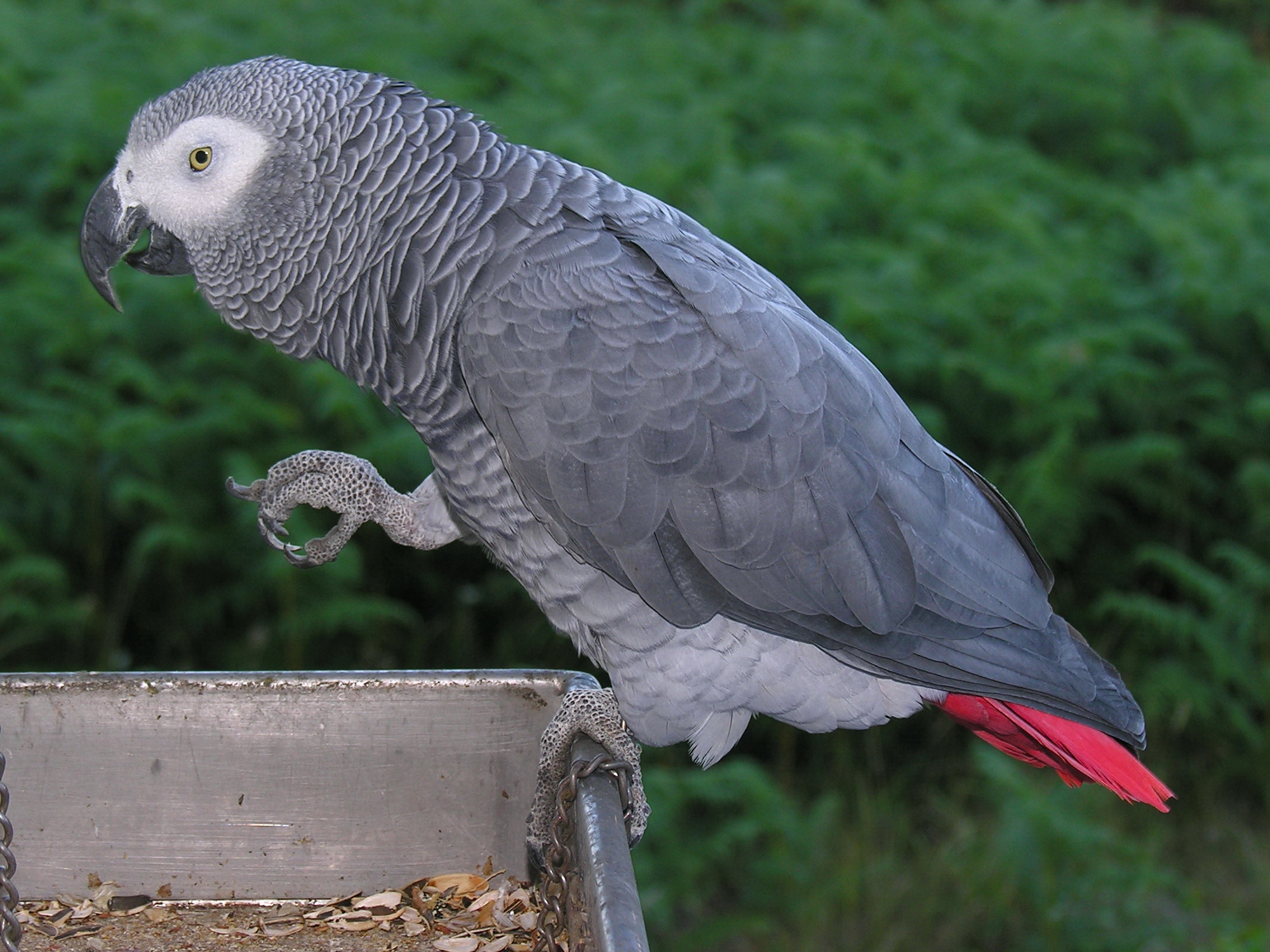
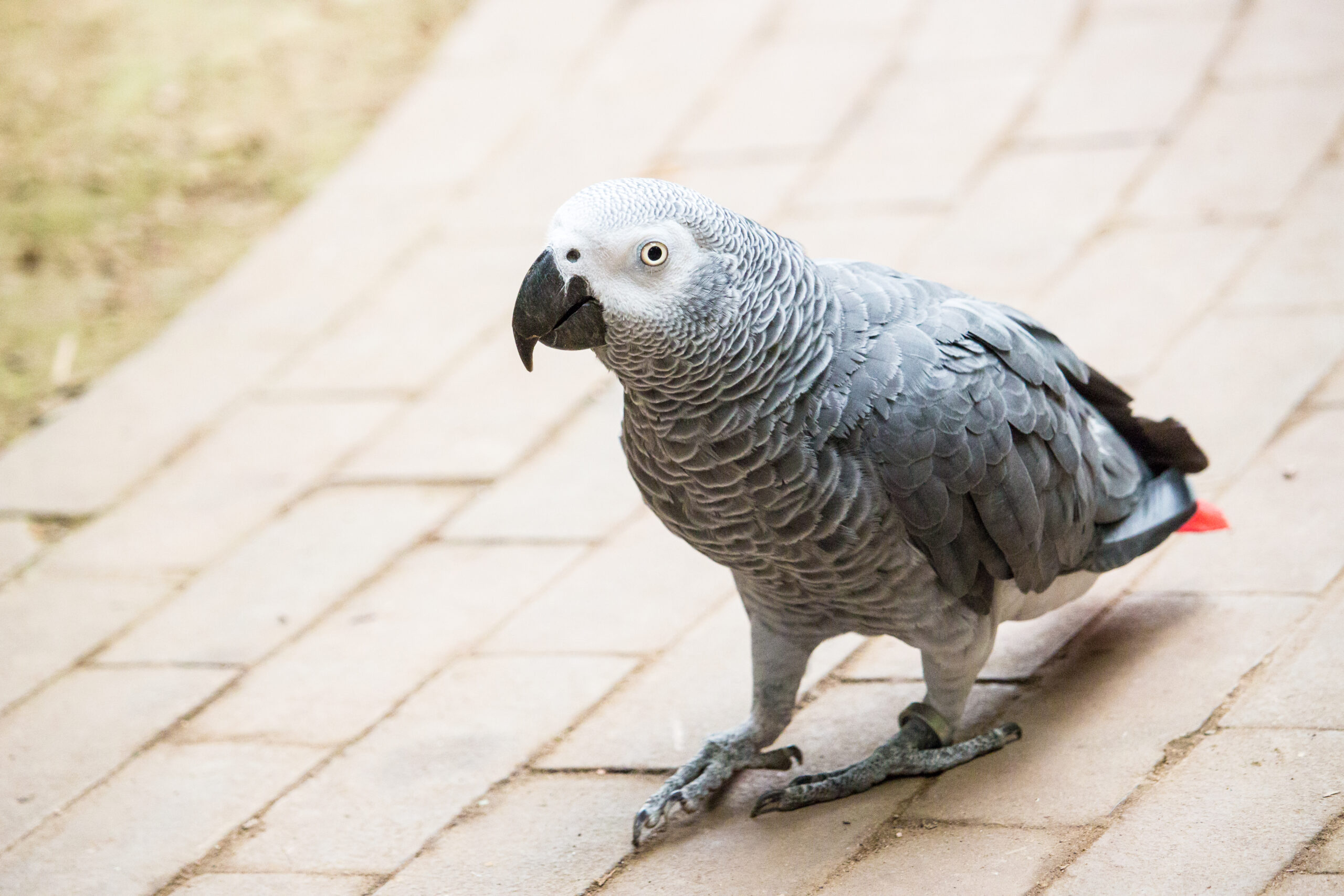
The Congo is the larger of the two. It has light silver-grey feathers and a bright red tail. Congos have huge vocabularies and are prized by experienced owners who want a confident, showy talker.
Timneh African Grey
The Timneh is a little smaller, with darker charcoal feathers and a deep maroon tail. Timnehs often settle into a new home faster and tend to be less prone to stress, which makes them a great pick for first-time African Grey owners.
Buying an African Grey in the USA: What You Should Know
Buying a parrot this intelligent comes with responsibility, and a trustworthy seller will be upfront about it. Here are the facts:
- Captive-bred only. Wild-caught African Greys cannot be legally sold as pets in the USA under the Wild Bird Conservation Act. Every bird we offer is captive-bred and leg-banded.
- Check your local rules. A small number of cities and states have extra permit or ownership rules for large parrots. A quick check with your state wildlife agency before you buy saves trouble later.
- Right home, right time. African Greys need daily interaction, mental enrichment, and a calm routine. They are best for people who are home often and ready for a 40+ year commitment.
We would rather help you decide if an African Grey truly fits your life than rush a sale. If you are not sure yet, talk to us first.
Caring for Your African Grey at Home
A healthy, happy African Grey needs a few key things every day:
- Diet: a quality pellet base plus fresh vegetables, some fruit, and healthy seeds. African Greys can be prone to low calcium, so a balanced diet matters.
- Housing: a large, sturdy cage with room to climb, plus daily time outside the cage.
- Enrichment: foraging toys and puzzles to keep that big brain busy and prevent boredom.
- Company: regular, gentle interaction so your bird stays social and bonded.
Every bird leaves us with a care guide, and our team stays available for questions long after your African Grey settles in.
Ready to Welcome an African Grey?
Browse our available hand-raised African Grey parrots, or reach out with your questions. We are happy to walk you through choosing the right bird, preparing your home, and everything that comes after.
African Grey Parrot FAQs
How much does an African Grey parrot cost?
A hand-raised, DNA-tested African Grey in the USA usually costs between $1,500 and $3,500. The price depends on age, whether it is a Congo or Timneh, how well it is socialized, and the paperwork included, such as a DNA certificate and leg band.
Is it legal to buy an African Grey parrot in the United States?
Yes, as long as the bird is captive-bred. Wild-caught imports are banned, so your bird should be leg-banded with paperwork showing its origin. Check your local city and state rules too, since a few areas require extra permits.
What is the difference between a Congo and a Timneh African Grey?
The Congo is larger with light grey feathers and a red tail. The Timneh is smaller with darker feathers and a maroon tail. Both talk well, but Timnehs often adjust to a new home a bit faster.
Do African Grey parrots really talk?
Yes. They are the best talking parrots in the world. Many learn over 100 wordsand use them in context. Most begin talking between 12 months and 2 years old.
How long do African Grey parrots live?
With good care, African Greys live 40 to 60 years or more. They are a true lifelong companion, so it helps to plan for their long-term care.


