

How Many Eggs Peacocks Usually Lay in One Season?

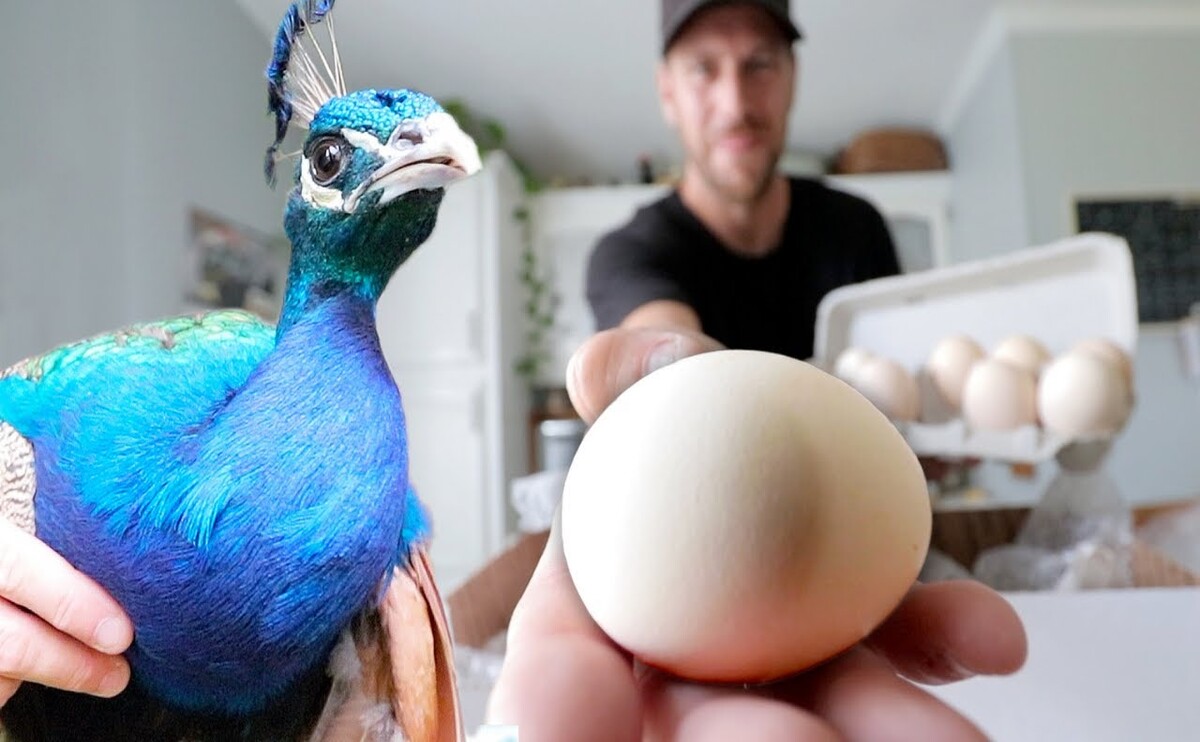
If you’ve ever wondered how many eggs peacocks usually lay, it’s important to clarify that the females in this species, called peahens, are the ones who lay eggs, not the males (peacocks). Typically, a healthy peahen begins laying eggs from her second year. During the breeding season, she produces about one egg every two to three days. Over the course of this season, a peahen can lay between 4 to 12 eggs per clutch, with the average clutch size being approximately six eggs.
Interestingly, if eggs are regularly removed from the nest, a peahen might lay up to 30 eggs throughout the entire breeding period. These eggs require an incubation period of about 27 to 30 days before hatching into peachicks. Understanding these egg-laying patterns is essential for anyone interested in breeding or raising peafowl.
Understanding Peafowl Egg Production
Typical Egg Laying Capacity
Peahens, while not as prolific as other poultry, still produce a respectable number of eggs during their breeding seasons. On average, a peahen lays between 3 to 12 eggs per clutch, with most clutches containing around 6 eggs. They typically lay one egg every two to three days. These eggs are similar in size to turkey eggs and have a light brown coloration.
When eggs are collected regularly from the nest, a peahen may lay multiple clutches throughout the breeding season, potentially reaching a total of up to 30 eggs. However, if the eggs are left in the nest, the peahen will incubate and care for approximately 6 eggs at a time, naturally limiting the number of eggs she lays. The incubation period for peafowl eggs generally lasts between 27 to 30 days.

Seasonality of Egg Laying
The breeding season for peafowl typically runs from early spring through late summer, beginning around March or April and concluding in August. During this period, peahens enter egg-laying cycles, often producing eggs consistently for up to a month.
Once a peahen lays a full clutch and starts incubating the eggs, she temporarily stops laying new ones. Some peahens may take short breaks of about a week between laying cycles or switch to laying less frequently before pausing completely.
The presence of a mature peacock, particularly one with a fully developed tail train, significantly influences fertility and egg production. Peahens generally begin laying fertile eggs only when males reach full maturity. Outside of the breeding season, peahens do not lay eggs.
Factors Affecting Egg Production in Peafowl
Diet and Nutrition
The diet of your peafowl plays an important role in their egg production. Providing a balanced, protein-rich diet is essential, as peafowl require a high protein intake to maintain their feathers and reproductive health. During the breeding season, peahens benefit from a complete layer feed that is rich in calcium to support eggshell formation.
Medicated starter feed can help prevent diseases such as coccidiosis in young birds, promoting healthy development. Additionally, including greens, legumes, peas, and a variety of seeds in their diet helps supply essential amino acids and vitamins. Offering supplements such as calcium and vitamin D supports egg production and shell quality, while maintaining a clean feeding area prevents infections that could negatively affect fertility and egg laying.

Environmental Conditions
Temperature and housing conditions greatly influence egg production in peafowl. Maintaining an optimal wet bulb temperature, usually between 65 and 85 degrees Fahrenheit—ensures comfort during the breeding season.
Extreme heat or cold can disrupt the laying cycle. Providing a clean, dry brooder area with appropriate floor bedding, like paddy husk, encourages hens to lay eggs and sit steadily.
Light exposure also impacts the breeding season’s start and duration, so mimicking natural day length changes can help regulate laying cycles. Lastly, removing eggs regularly from the nest encourages peahens to continue laying eggs instead of sitting prematurely.
Health and Breeding Practices
Healthy peafowl are more productive layers. Managing proper male-to-female ratios in breeding pens increases fertility rates and promotes consistent egg-laying behavior among peahens.
Vaccinations, parasite prevention, and biosecurity reduce diseases that impede egg production. During the breeding season, feeding medicated starter feed and preventing coccidiosis are important to keep young peafowl robust. Practicing good incubation and brooding techniques, including monitoring days of incubation and controlled temperature decreases, maximizes hatchability.
Well-maintained breeding pairs with access to adequate feed and water will produce more viable eggs and healthy peachicks, improving success in raising peafowl over multiple years.
Enhancing Peafowl Breeding Success
Creating the Right Environment
To maximize your peahens’ egg-laying potential and ensure healthy peachicks, creating an optimal environment is essential. Your breeding pen should be spacious, with secure fencing at least 7 feet high to prevent escape and protect from predators. Provide elevated roosting perches about 4 feet off the ground since peafowl prefer to roost high.
Safe nesting areas filled with soft, dry materials such as pine shavings or straw will encourage peahens to lay eggs comfortably. Maintaining a calm environment by limiting noise and disturbances reduces stress, which is important as peafowl can become quite vocal and sensitive during breeding season.
Additionally, ensuring proper ventilation and dry bedding helps protect against moisture buildup and mold, preserving bird health throughout the incubation period.
Strategic Diet Planning
Feeding a balanced, high-protein diet specifically formulated for game birds or poultry layers supports the nutritional demands of breeding peafowl. Incorporate a medicated starter feed during the first months to prevent coccidiosis, a common parasite threat. Supplementing with calcium sources like oyster shell or limestone enhances eggshell strength.
Including fresh greens, seeds, and occasional treats such as mealworms or crickets improves overall vitality and helps maintain the vivid coloration of the birds’ feathers. Fresh, clean water should always be available to maintain hydration and aid digestion, especially in hot weather.
Adjusting feed quality and quantity during the breeding season ensures peahens receive adequate nutrients to sustain regular egg production and healthy offspring.
Breeding and Incubation Techniques
Successful peafowl breeding also hinges on careful handling of eggs and incubation. Collect eggs daily to encourage continuous laying and prevent premature brooding. If you choose artificial incubation, maintain a temperature of around 99.5°F with humidity controlled near 42-45% for days 1-25, increasing to 60-65% in the last days before hatching.
Eggs should be positioned on their side, rotated approximately 45° every two hours, and flipped 180° daily to simulate natural turning by the peahen. After hatching, move peachicks to a brooder set initially at 95°F, decreasing temperature weekly by 5°F until room temperature is reached. Use a game bird or turkey poult starter feed, preferably medicated, for the first six weeks to support growth and prevent diseases during critical early development stages.
Proper breeding ratios and minimizing stress throughout this process will result in greater hatch rates and healthier chicks.

Conclusion
Understanding how many eggs peahens lay and the factors that influence their production is key to successful peafowl breeding. Remember, peahens typically lay between 4 and 12 eggs per clutch during their breeding season, which runs from early spring to late summer. Providing a balanced diet with medicated starter feed, maintaining proper environmental conditions, including temperature and nesting areas, and practicing effective incubation techniques are essential to maximize hatch rates and raise healthy peachicks.
By focusing on these fundamental steps, you can enhance your success in raising vibrant, thriving peafowl flocks. Start planning your breeding season today!
FAQ
Do Peacocks Lay Eggs, or Is It Only Peahens That Do?
Only peahens lay eggs; peacocks do not. Peahens typically begin laying eggs around one year old, producing one egg every 2-3 days during the breeding season. Their clutch sizes range from 4 to 12 eggs.
Peafowl eggs usually hatch after about 27-30 days of incubation.
How Many Eggs Does a Typical Peahen Lay During One Breeding Season?
A typical peahen lays about 3 to 8 eggs per clutch during one breeding season. If conditions are favorable, she may produce multiple clutches. In captivity, clutch sizes can reach 10-12 eggs.
In the wild, peahens usually lay one clutch per season but may lay more if the eggs are removed.
At What Age Do Peahens Usually Start Laying Eggs, and When Do They Reach Peak Fertility?
Peahens generally start laying eggs at around one year old, often towards the end of their first summer. However, they typically reach maturity and begin reliable laying at two years old. Their peak fertility improves from three years old onward, with the breeding season running from March to July.
What Are the Best Practices for Incubating Peafowl Eggs To Achieve Higher Hatch Rates?
To successfully incubate peafowl eggs, use healthy, parasite-free breeders fed high-protein layer feed with oyster shell. Store eggs for up to 7 days at 55-60°F, turning them daily. Set eggs longwise at 37.5°C with 60% humidity, turning them every 45 minutes or at least twice daily.
Stop turning the eggs near hatching time, increase humidity to 90% at day 26, lower the temperature to 36.5°C, and move the eggs to the hatcher. Candle the eggs weekly to check for fertility.
Avoid prolonged egg storage and ensure your incubator is properly calibrated. Alternatively, broody hens or foster mothers can be used for incubation.